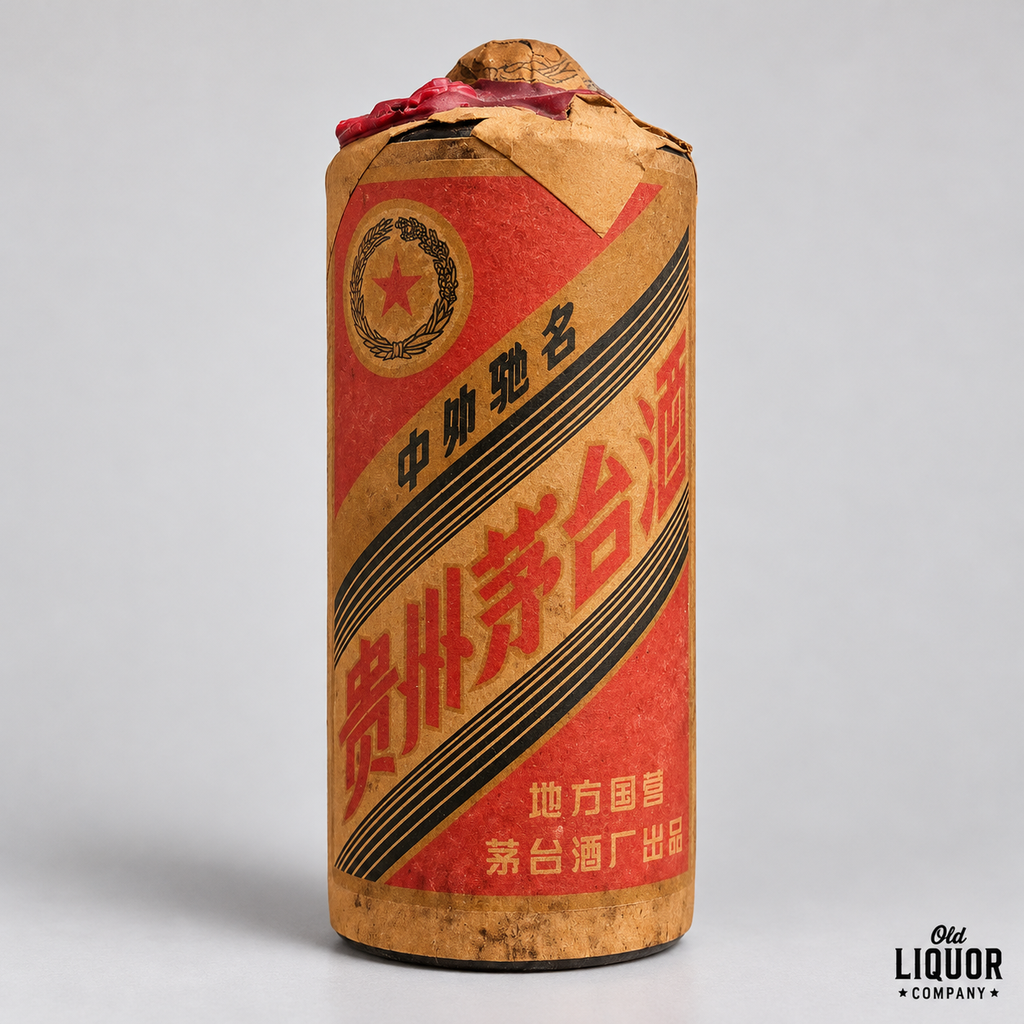
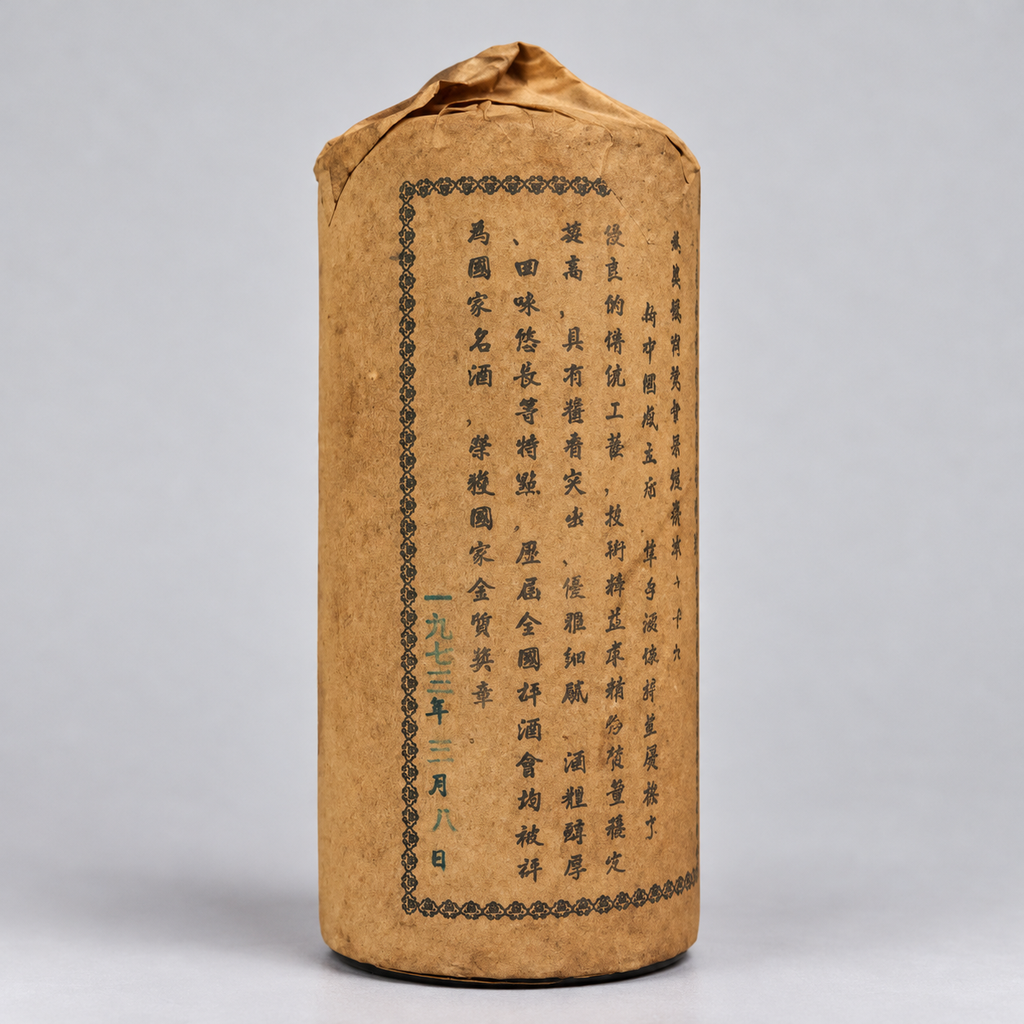
Kweichow Moutai is the most valuable spirits producer in the world and is widely celebrated as China's "national liquor" (Guójiǔ). This premium baijiu, distilled from red sorghum and wheat, is crafted exclusively in the town of Maotai within Guizhou (Kweichow) Province.
Its history is a unique blend of ancient craftsmanship, revolutionary mythology, and massive economic dominance.
1. Ancient Origins & Imperial Era (Pre-20th Century)
The roots of alcohol production in Guizhou date back more than 2,000 years. However, the specific foundation for modern Moutai was laid during the Qing Dynasty (1644–1911).
- The Method: Distilling techniques from northern China merged with local southwestern practices, utilizing the unique water of the Chishui River.
- The Name: In 1704, the name "Moutai liquor" was officially used for the first time by a local roasting house. By the 19th century, the town of Maotai had grown into a bustling hub with dozens of private distilleries.
2. International Recognition & The Long March (1915–1949)
The early 20th century cemented Moutai's reputation on both the global stage and within Chinese political history.
- The 1915 World Expo: Moutai won a prestigious award at the Panama-Pacific International Exposition in San Francisco. According to a famous legend, a Chinese delegate intentionally smashed a bottle on the floor. The rich, pungent aroma filled the hall and instantly caught the attention of judges who had previously ignored the exhibit.
- The Long March Lifesaver (1935): During the historic Long March, the Communist Party's Red Army passed through Maotai Town. Soldiers used the potent spirit to disinfect wounds, sterilize medical instruments, and soothe fatigue. This forged an unbreakable bond between the drink and the founding fathers of modern China.
3. State Monopoly & Diplomacy (1951–1990)
Following the Communist victory and the establishment of the People's Republic of China, the liquor industry underwent complete centralization.
- The Grand Merger (1951): The Chinese government consolidated the three largest private distilleries in the region into a single state-owned enterprise: the Kweichow Moutai Factory.
- The Drink of Diplomacy: Premier Zhou Enlai designated Moutai as the mandatory toast for official state banquets. It became a crucial geopolitical tool, famously shared during U.S. President Richard Nixon’s historic 1972 visit, which helped open relations between the East and West.
4. Corporate Titan & Luxury Status (2000s–Present)
As China transitioned toward a market economy, Moutai evolved into a corporate powerhouse and luxury asset.
- The Public Listing: In 2001, the company officially listed on the Shanghai Stock Exchange.
- Status Symbol: Moutai transitioned from a traditional beverage into the ultimate luxury item, status symbol, and preferred corporate gift within Chinese business and political circles. Because authentic Moutai can only be produced in Maotai Town due to its unique microclimate and water source, supply is strictly limited. This drives auction prices for vintage bottles into the tens of thousands of dollars.
- Global Market Leader: Today, Kweichow Moutai stands as the world's most valuable beverage company by market capitalization, routinely surpassing global giants like Diageo, Anheuser-Busch, and Coca-Cola.