🇬🇧 1791: An Englishman in Jarnac
The company traces its roots back to 1763 in Jarnac, France. However, the defining chapter began in 1791 when a young 16-year-old Englishman named Thomas Hine left his home in Dorset, England, to learn the art of cognac production.
🪓 Revolution & Romance
Thomas arrived in France at a tumultuous time during the French Revolution. Because he was English, he was briefly arrested and imprisoned at the Château de Jarnac as a prisoner of war. Following his release, romance blossomed when he fell in love with and married Françoise Elisabeth Delamain, the daughter of a prominent local cognac merchant. Thomas eventually took control of his father-in-law's business, bringing rigorous British standards to the production and export trade.
🦌 1817: The Name & The Resting Stag
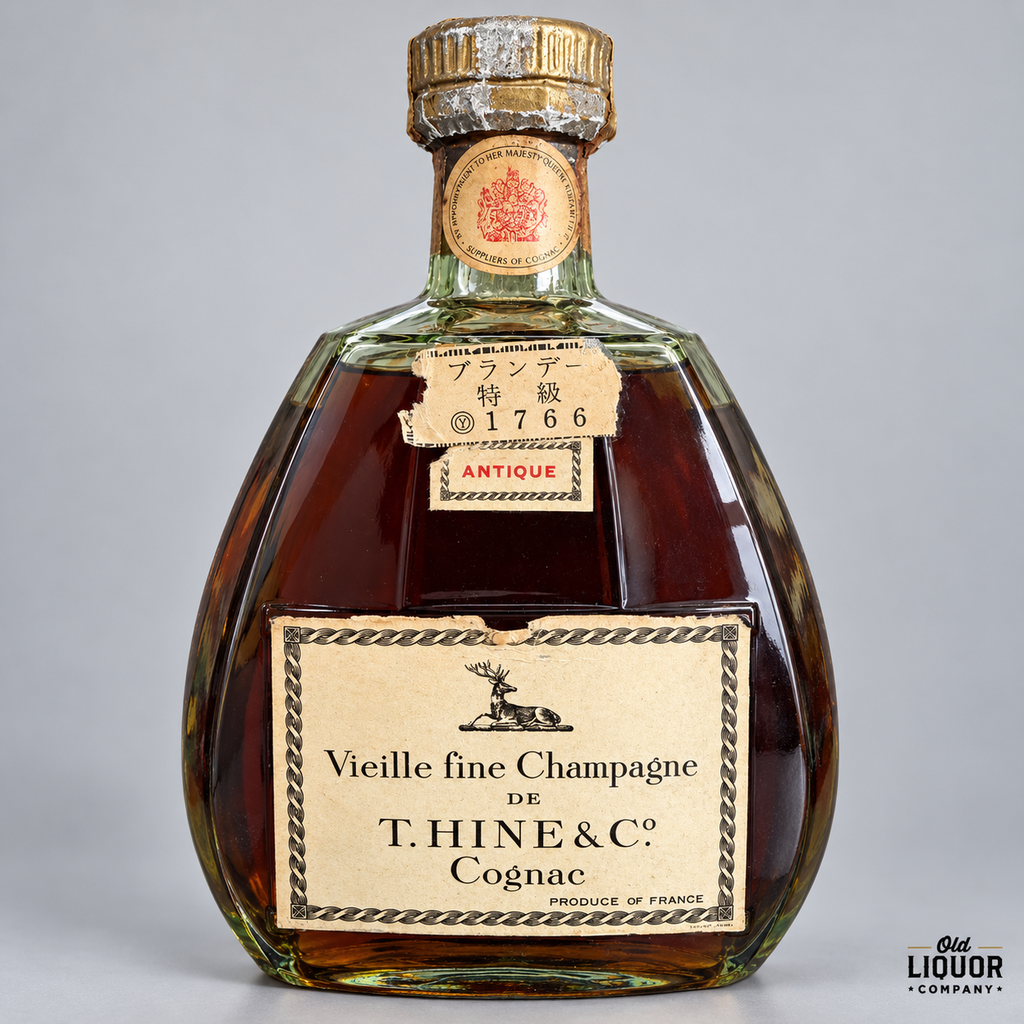
In 1817, the firm was officially named Thomas Hine & Co. Fifty years later, in 1867, the house registered its highly recognizable emblem: the recumbent (resting) stag.
The choice of symbol contains a double meaning. The surname Hine is etymologically derived from the old English word "hinde", meaning a keeper of the deer. Furthermore, the stag on the logo is strategically depicted with its body firmly placed on French soil, but looking back over its shoulder directly in the direction of England.
👑 1962: The Royal Appointment
Maison Hine achieved the ultimate recognition in 1962 when it was granted a Royal Warrant by Appointment to Her Majesty Queen Elizabeth II. To this day, it remains the only official supplier of cognac to the British Monarchy, a prestigious distinction proudly displayed on its bottle labels.
🌊 Early Landed Vintage Mastery
Historically, Hine built an exceptional reputation for its "Early Landed" vintage cognacs. The young spirit was shipped in oak casks directly to the damp, cool cellars of London and Bristol to age under unique maritime conditions, producing a lighter, more delicate flavor profile. Today, the brand is widely celebrated for its single-vintage expressions and its exceptional focus on grapes grown exclusively in the premier Grande and Petite Champagne regions.