🌾 1. From Farm Brewery to Distillery (1700s–1843)
- The Origins: Brewing originally took place at the Morangie farm site as early as the 18th century, taking advantage of the local, mineral-rich Tarlogie Springs water source.
- 1843: William Matheson acquired the site and converted the farm brewery into a dedicated whisky distillery. To save on initial setup costs, he purchased two second-hand tall copper gin stills, a decision that accidentally laid the foundation for Glenmorangie's signature light spirit style.
🦒 2. The Architectural Blueprint (1887–1970s)
- 1887: The distillery was completely rebuilt under the Glenmorangie Distillery Company Ltd., introducing advanced equipment for the late Victorian era.
- The Tallest Stills in Scotland: The distillery permanently committed to the unique tall still design. Standing at 5.14 meters (16 feet, 10.25 inches), these stills feature necks as tall as an adult giraffe. This structural choice ensures that only the purest, lightest alcohol vapors rise to the top, eliminating heavy, sulfurous compounds and creating an exceptionally smooth, elegant spirit.
- 1918: Macdonald & Muir acquired the distillery following a period of economic strain caused by World War I, maintaining ownership for almost nine decades.
🪵 3. Pioneering Wood Management (1980s–1990s)
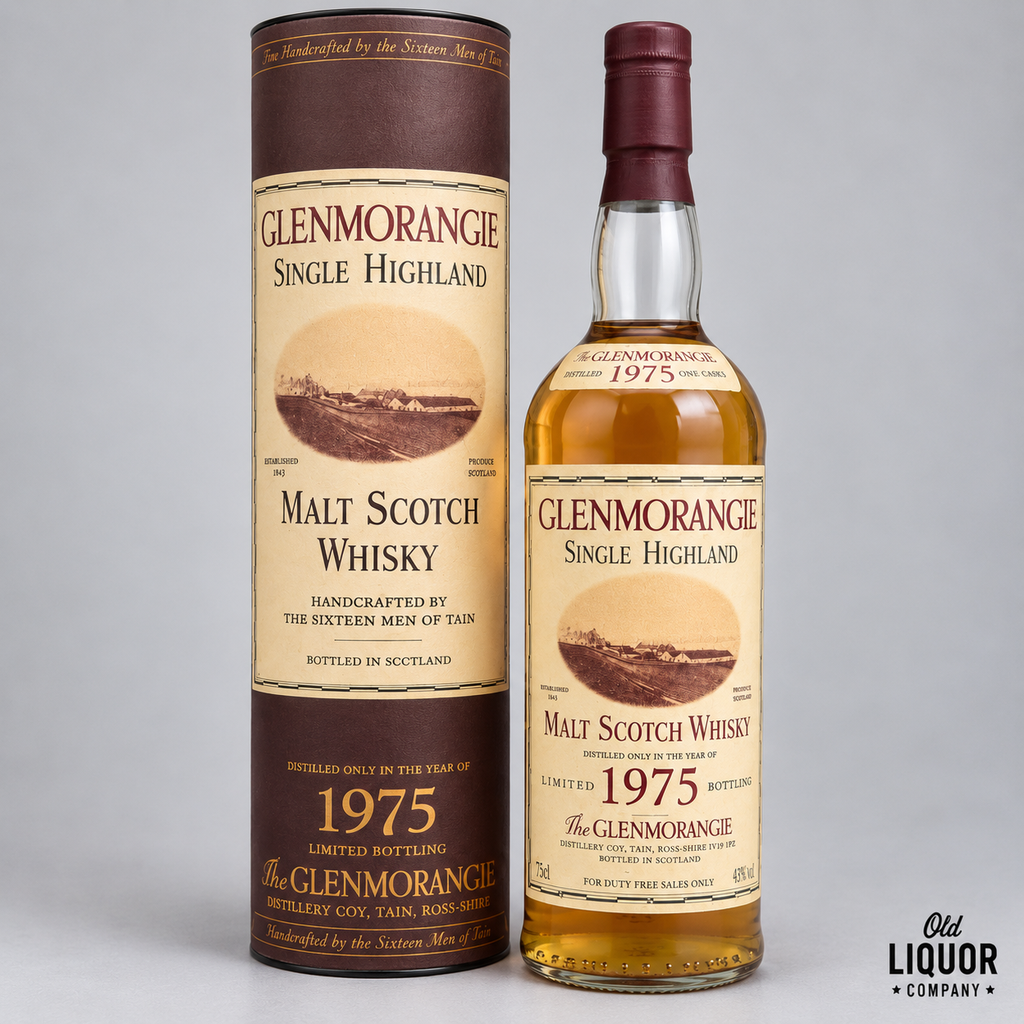
- The Sixteen Men of Tain: For generations, the distillery's daily operations, mash houses, and warehouses were traditionally managed by a select group of exactly sixteen local craftsmen, a legacy proudly featured on classic vintage labels.
- Cask Innovation: In the late 1980s and 1990s, Glenmorangie became a global pioneer in wood finishing under the guidance of Dr. Bill Lumsden. They experimented with moving fully matured whisky from traditional American white oak barrels into secondary casks that previously held Sherry, Port, or Sauternes wine—forever changing the landscape of the Scotch whisky industry.
✨ 4. The Luxury Era (2004–Present)
- 2004: The French luxury goods conglomerate Moët Hennessy Louis Vuitton (LVMH) acquired Glenmorangie, steering the brand toward premium international positioning.
- Continuous Legacy: Today, the core range preserves the historic, delicate Highland fruitiness first captured in the 19th century, while experimental small batches continue to stretch the boundaries of traditional distillation.
Your Dynamic Snippet will be displayed here...
This message is displayed because youy did not provide both a filter and a template to use.
Your Dynamic Snippet will be displayed here... This message is displayed because you did not provided both a filter and a template to use.