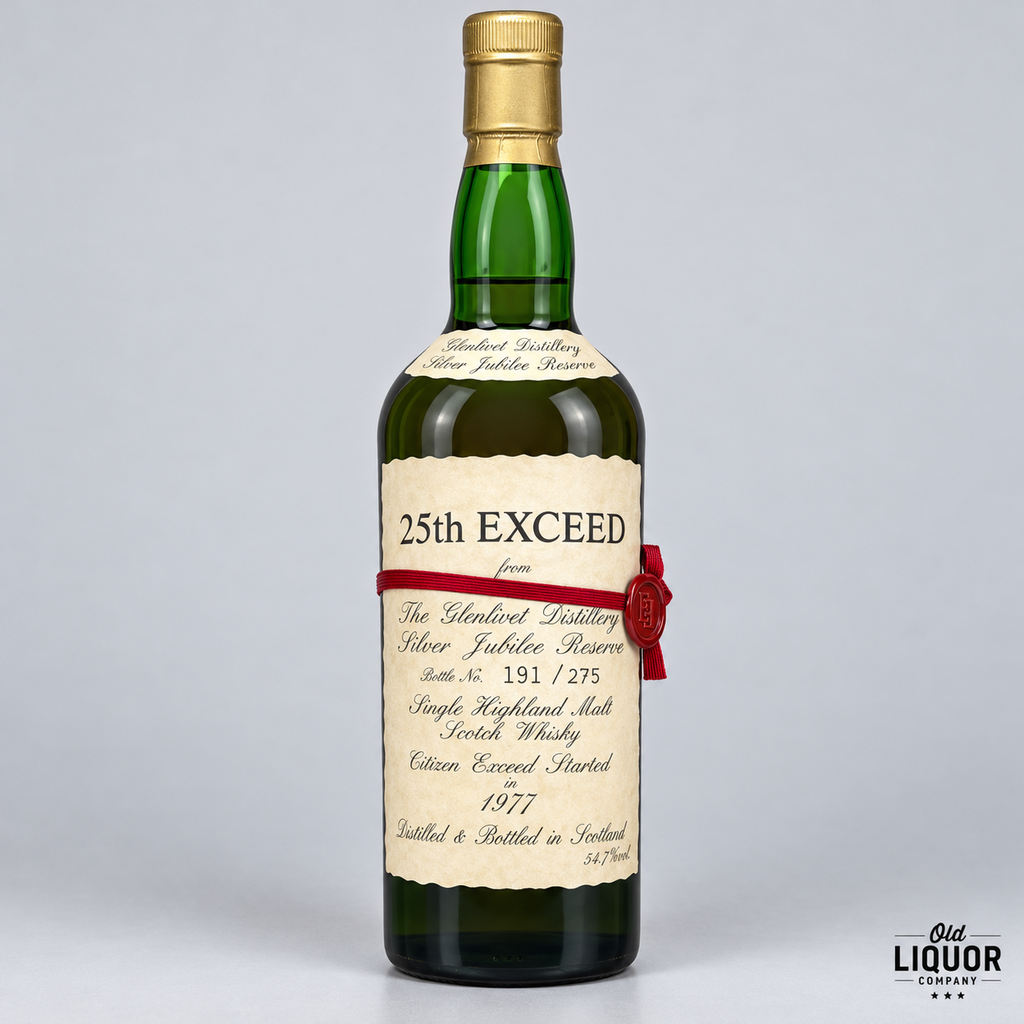
The Glenlivet Distillery was officially founded in 1824 by George Smith in the remote Livet Valley of Speyside, Scotland, becoming the first legal distillery in the parish following the Excise Act of 1823.Timeline of Key Historical Milestones
- Pre-1824 (Illicit Roots): Long before legalisation, the Livet Valley was a notorious hub for smuggling and illicit whisky-making, housing over 100 small illegal stills. Founder George Smith produced a smooth, unpeated, and fruity spirit that gained fame far beyond the valley.
- 1822 (Royal Approval): During a state visit to Edinburgh, King George IV specifically requested and tasted the illicit "Glenlivet" whisky, likely on the recommendation of Sir Walter Scott.
- 1824 (Legalisation): Following the passage of the Excise Act of 1823 (pushed by the local landlord, the Duke of Gordon), George Smith applied for and secured the region's first official distillation license. This angered rival illegal distillers who threatened to burn the operation down, forcing Smith to carry a pair of flintlock pistols for protection.
- 1830s–1850s (Commercial Growth): The distillery expanded rapidly as demand surged. Smith partnered with Edinburgh-based sales agents Andrew Usher & Sons (pioneers of commercial blended whisky). Charles Dickens also famously wrote to a friend urging him to try "the rare old Glenlivet".
- 1858–1859 (Move to Minmore): After a fire destroyed the original Upper Drumin site, a larger facility was constructed nearby at Minmore, which remains the operational core of the distillery today.
- 1884 (The Battle for the Name): Because The Glenlivet's reputation was so prestigious, dozens of neighboring Speyside distilleries began appending "Glenlivet" to their own names to boost sales. John Gordon Smith (George's son) sued and won a landmark legal battle, securing exclusive rights to use the definite article as "The Glenlivet".
20th Century (Corporate Mergers):
- 1953: George & J.G. Smith merged with Glen Grant to form Glenlivet & Glen Grant Ltd.
- 1978: The company was acquired by Seagram, and a dedicated visitor centre was opened.
- 2001: Following the breakup of Seagram, ownership transferred to Pernod Ricard via its Chivas Brothers division.
- Modern Era & Expansions: The distillery underwent major capacity expansions in 2010 (increasing stillhouse output to over 10 million litres per annum) and celebrated its bicentennial in 2024.
Production Heritage & Distillation Style
- Water Source: Water is drawn from Josie’s Well and nearby natural springs.
- Copper Stills: George Smith designed tall, lantern-shaped copper pot stills with long, narrow necks. This shape maximizes copper contact and ensures only the lightest, fruity vapors make it into the final spirit.
- Washbacks: The distillery retains wooden washbacks alongside modern equipment to preserve subtle orchard-fruit and floral flavors.
- Maturation: Spirits are aged primarily in a combination of American oak (ex-bourbon) and European oak (sherry-seasoned) casks.
Your Dynamic Snippet will be displayed here...
This message is displayed because youy did not provide both a filter and a template to use.
Your Dynamic Snippet will be displayed here... This message is displayed because you did not provided both a filter and a template to use.